
Sweet, smoky, and sticky - a caramelized bourbon glaze on grilled salmon that tastes like a steakhouse and comes together in twenty minutes.
By KC | Published July 25th 2026
Jump to: Ingredients | How to Make It | What I Tested | FAQ
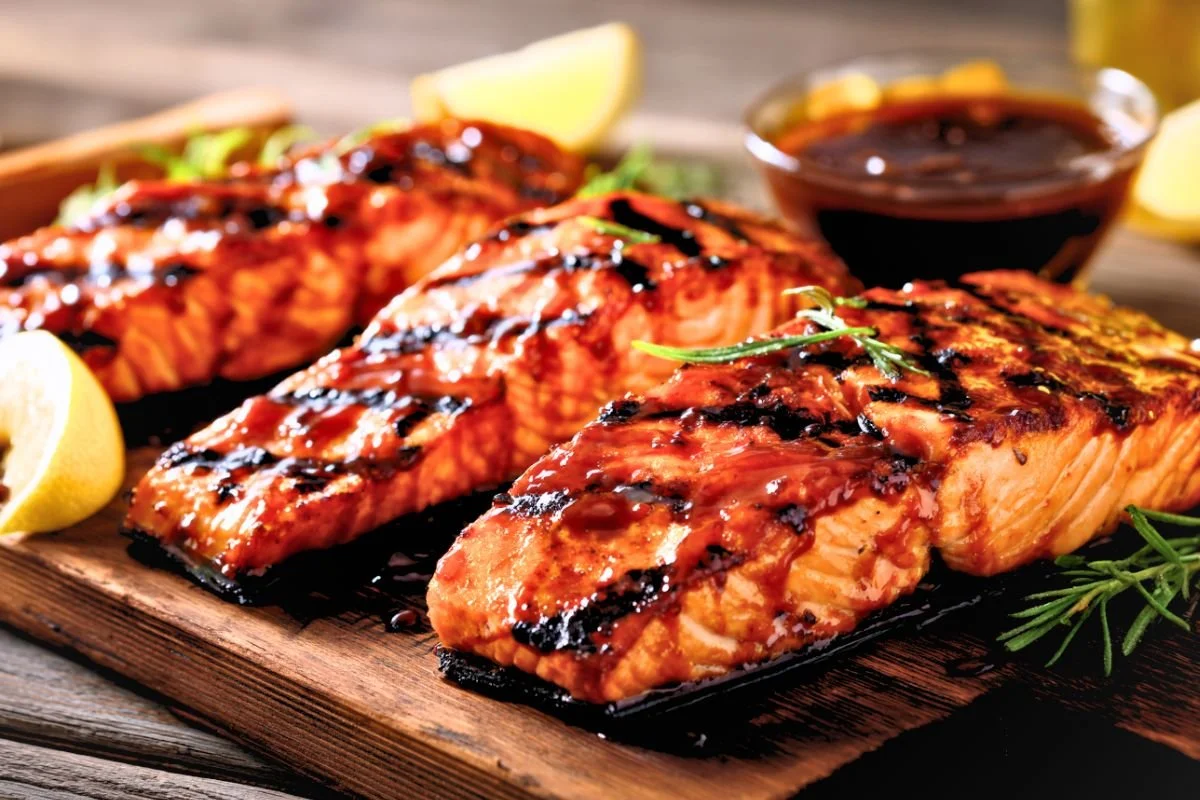
I'll be honest: salmon used to intimidate me on the grill. Fifteen years in restaurants and I could break down a whole fish, but a piece of salmon on home grill grates felt like a coin flip between "gorgeous" and "left half of it stuck to the bars." Then I figured out the handful of things that make it foolproof — and paired it with a brown sugar bourbon glaze that turned salmon from the thing I should make into the thing my family actually asks for. That sticky, caramelized, slightly smoky glaze is the whole reason this post exists.
This brown sugar bourbon grilled salmon is built on a simple glaze — brown sugar, bourbon, soy sauce, garlic, and a little Dijon — that you reduce on the stove into something thick and glossy, then brush onto the salmon in the last few minutes of grilling. The bourbon cooks down into a deep caramel note (most of the alcohol cooks off — more on that below), the brown sugar caramelizes into a sticky lacquer, and the soy and garlic keep it from being one-note sweet. It looks like you fussed. You did not.
I'll walk you through all of it: how to grill salmon without it sticking or falling apart, exactly when to add the glaze so the sugar doesn't scorch, how to tell when salmon is done (it's not the number you think), and a no-bourbon swap if you'd rather skip the alcohol. This is the grilled salmon that'll make you the person who "does something special with salmon" — with almost no effort.
Prep Time: 10 minutes | Cook Time: 12 minutes | Total Time: 22 minutes
Servings: 4
Heat Level: None (sweet & savory)
Why You'll Love This Salmon
That sticky caramelized glaze. Brown sugar and bourbon reduce into a glossy steakhouse lacquer.
Foolproof grilling. The no-stick, no-fall-apart method is built into the steps.
20 minutes, looks like an hour. Restaurant-worthy with weeknight effort.
Mostly cooks off the alcohol — plus a no-bourbon swap for anyone skipping it.
High-protein and crowd-pleasing. Even salmon skeptics come back for this one.
Ingredients
For the brown sugar bourbon glaze:
⅓ cup brown sugar, packed
¼ cup bourbon (or see the no-alcohol swap in Variations)
3 tbsp low-sodium soy sauce (or coconut aminos)
2 garlic cloves, minced
1 tbsp Dijon mustard
1 tbsp olive oil
1 tsp fresh lemon juice
pinch of red pepper flakes (optional, for a faint warm edge)
For the salmon:
4 salmon fillets (about 6 oz each), skin-on (skin-on grills best — see the tip below)
1 tbsp olive oil
½ tsp kosher salt
¼ tsp black pepper
Tip: buy skin-on: the skin protects the delicate flesh from the grates, holds the fillet together, and makes flipping far less nerve-wracking. You can slide it off after cooking if you don't want to eat it.
How to Make Brown Sugar Bourbon Grilled Salmon
Step 1 - Make and reduce the glaze (and split it). Whisk the brown sugar, bourbon, soy sauce, garlic, Dijon, olive oil, lemon juice, and red pepper flakes in a small saucepan. Simmer over medium heat 4–6 minutes, stirring, until it thickens enough to coat the back of a spoon. Then split it: pour about a third into a separate bowl for serving, and keep the rest for brushing. The brushing glaze touches raw salmon; the serving glaze stays clean.
Step 2 - Prep the salmon. Pat the fillets completely dry — dry fish sears and sticks less. Rub with olive oil, season with salt and pepper.
Step 3 - Get the grill ready (the no-stick setup). Preheat to medium-high, around 400°F. Clean the grates well, then oil them thoroughly — a paper towel dipped in oil, held with tongs, run over the bars a few times. A clean, hot, oiled grate is how salmon releases instead of sticking.
Step 4 - Grill skin-side down first. Lay the fillets skin-side down and leave them alone for 5–6 minutes. Don't poke, don't peek, don't try to move them early — salmon releases on its own when it's seared. Moving it too soon is how it tears.
Step 5 - Flip once, then glaze late. Gently flip the fillets. Now brush on the brushing glaze, and grill another 3–4 minutes, brushing once or twice more. Glaze goes on at the END — the brown sugar burns fast over direct heat, so a few minutes is all it gets.
Step 6 - Pull at the right temperature. Salmon is done at 125–130°F internal for moist, medium (it keeps cooking off the heat). It should flake easily and look opaque with a slightly translucent center. The USDA recommends 145°F, but most cooks pull salmon earlier for a juicier result — your call, just don't push well past 145°F or it dries out.
Step 7 - Rest and serve. Let the salmon rest a couple of minutes, then serve with the reserved clean glaze drizzled over the top. Sticky, glossy, done.
What I Tested So You Don't Have To
When to glaze — the big one. I tried glazing early (salmon brushed before it hit the grill) and late (last few minutes). Early glazing is a disaster: the brown sugar scorches black and bitter before the fish is cooked. Glaze in the last 3–4 minutes only, brushing in layers. The reduction on the stove is what builds the deep flavor; the grill just sets the final sticky coat.
Direct grates vs. cedar plank. Both are great and they're different. Straight on oiled grates gives you more char and grill flavor and a crispier skin. A cedar plank is the most foolproof — the fish never touches the bars, so there's zero sticking risk and a gentle smoke — but you get less direct char. If grilling salmon makes you nervous, start with a plank (soak it 30+ minutes first).
Skin on vs. skin off. Skin-on, every time, for grilling. It's a built-in handle and heat shield that keeps the fillet intact. Slide it off after if you don't want to eat it — but on the grill it's doing real work.
Bourbon amount and cook-off. A quarter cup gives a clear bourbon-caramel note without tasting boozy. Simmering the glaze cooks off most (not all) of the alcohol — enough that the flavor reads as deep caramel, not liquor. For a stronger bourbon presence, stir a teaspoon of the raw bourbon into the serving glaze off the heat.
Doneness. Pulled at 125–130°F, the salmon was moist and silky. At 145°F it was fully firm and a touch drier — still good, just less luxurious. Use a thermometer and trust it over the clock.
Common Mistakes
Glazing too early. Brown sugar burns. Glaze only in the last few minutes.
Moving the salmon too soon. It sticks and tears if you flip before it's seared and ready to release.
Cold, dirty, or dry grates. Clean, hot, and well-oiled is the no-stick trifecta.
Overcooking. Past 145°F salmon dries out fast. Pull at 125–130°F for moist.
One bowl of glaze. Split it — the serving drizzle should never be the brush that touched raw fish.
Variations
No alcohol: Swap the bourbon for ¼ cup apple juice or unsalted chicken broth plus ½ tsp vanilla extract. You lose the boozy note but keep the sweet, caramel depth.
Spicier: Add more red pepper flakes or a teaspoon of sriracha to the glaze for a sweet-heat version.
Maple bourbon: Swap half the brown sugar for pure maple syrup for a deeper, woodsier glaze.
Oven version: No grill? Broil the glazed salmon 6–8 minutes, glazing in the last 2–3 minutes.
Salmon bowls: Flake leftovers over rice with cucumber and extra glaze for next-day lunch.
What to Serve With Brown Sugar Bourbon Salmon
This sweet, sticky salmon wants a fresh, crisp, slightly acidic side to cut the richness. Here's what's already on the blog:
Viral Spicy Cucumber Salad — cool, crisp, and bright against the sweet glaze.
Mexican Street Corn Salad (Esquites) — creamy and fresh alongside the salmon.
Italian Grinder Pasta Salad — hearty make-ahead side for a full plate.
Creamy Cowboy Caviar — fresh, scoopable, and bright.
Summer Chicken Pasta Salad— cold and bright; rounds out a summer spread.
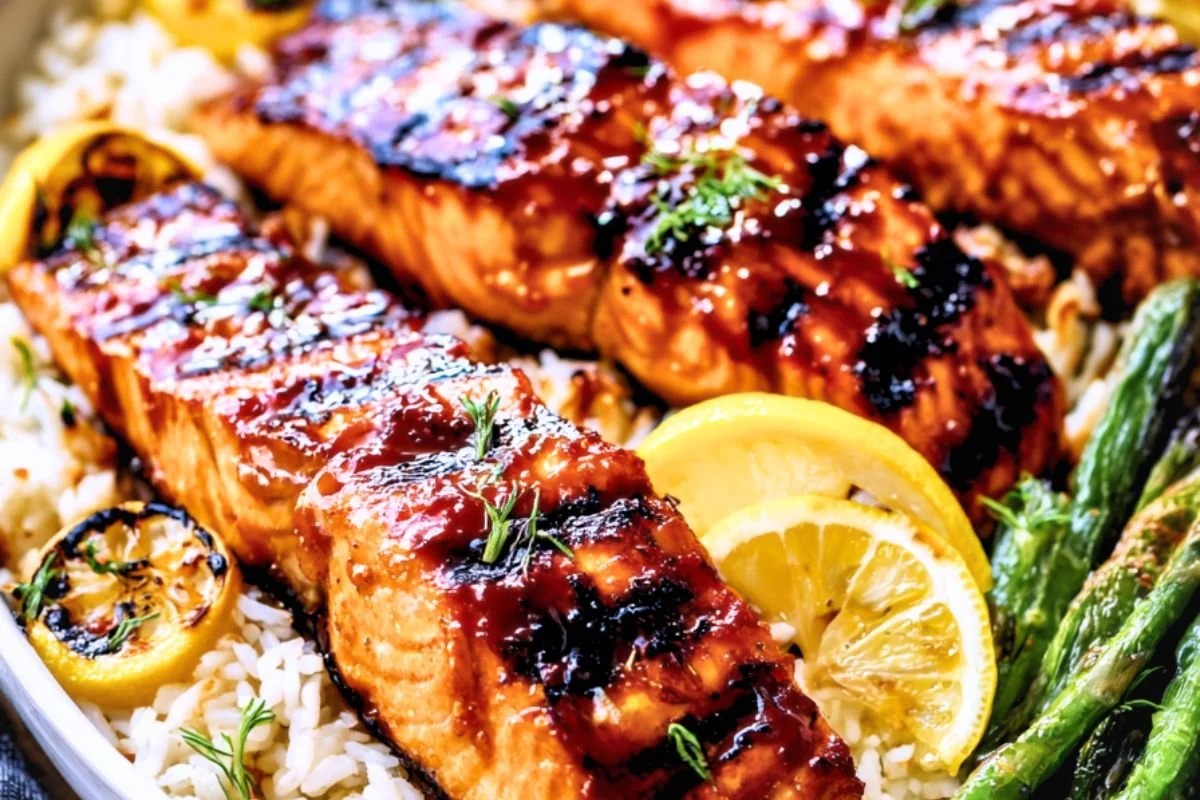
Add rice or grilled veggies and this is a full restaurant-style plate.
If You Love This, Try These Next
How to Store and Reheat Grilled Salmon
Fridge: Cool, then store in an airtight container up to 3 days. Keep the reserved glaze in its own small jar.
Freezer: Freeze cooked salmon up to 2 months, wrapped tightly. Thaw overnight in the fridge.
Reheat — low and slow, gently. Salmon is delicate and easy to overcook on reheat, so go gentle: a 275°F oven for 8–12 minutes until just warmed through is the best method. A covered skillet over low heat with a splash of water also works. Brush on a little fresh glaze after reheating to bring back the gloss.
Skip the microwave if you can — it overcooks salmon fast, turns the texture rubbery, and makes it smell strong. If you must, very low power in 20-second bursts.
Cold is genuinely great. Leftover brown sugar bourbon salmon is excellent cold, flaked over a salad or rice bowl with a drizzle of the reserved glaze — no reheating needed.
Frequently Asked Questions
Does the alcohol cook out of bourbon salmon? Most of it does. Simmering the glaze and then grilling cooks off the majority of the alcohol, leaving behind the deep caramel-and-oak flavor of the bourbon. Some trace alcohol can remain, so if you're avoiding alcohol entirely, use the no-bourbon swap: apple juice or broth plus a little vanilla.
What temperature should grilled salmon be? For moist, silky salmon, pull it at 125–130°F internal — it keeps cooking off the heat. It should flake easily and look opaque with a slightly translucent center. The USDA recommends 145°F, but many cooks pull salmon earlier for a juicier result. Avoid going well past 145°F or it dries out.
How do you grill salmon without it sticking? Three things: buy skin-on fillets, get the grates clean, hot, and well-oiled, and grill skin-side down first without moving the fish. Salmon releases on its own once it's seared — if it's sticking, it's not ready to flip yet. A soaked cedar plank is the most foolproof, no-stick option.
When should I add the glaze? Only in the last 3–4 minutes of grilling. Brown sugar burns quickly over direct heat, so glazing early turns it bitter and black. Reduce the glaze on the stove first to build the flavor, then brush it on in layers at the very end.
Do I need a cedar plank for bourbon salmon? No, but it helps if you're nervous. Grilling directly on oiled grates gives more char and crispier skin; a cedar plank protects the fish from sticking and adds gentle smoke with less direct char. Either works — soak the plank at least 30 minutes first.
Can I make brown sugar bourbon salmon without a grill? Yes. Broil the glazed salmon in the oven for 6–8 minutes, adding the glaze in the last 2–3 minutes so it caramelizes without burning. A hot cast-iron skillet works too.
What sides go with brown sugar bourbon salmon? Fresh, crisp, slightly acidic sides cut the sweet glaze best — a cucumber salad, street corn salad, or a green salad. Add rice or grilled vegetables to make it a full restaurant-style plate.
Can I use this glaze on other proteins? Absolutely. The brown sugar bourbon glaze is excellent on grilled chicken, pork chops, pork tenderloin, and shrimp. Just glaze late on all of them, since the sugar caramelizes and can burn over direct heat.
Did You Make It?
If you grilled this up, tell me - team plank or team straight-on-the-grates? And did anyone at your table guess it was twenty minutes of effort? Drop it in the comments, tag @saucyspoonco if you snap a photo, and pin this one to your salmon board, because that glaze deserves to be saved.

Follow Saucy Spoon Co
Want more easy recipes, dinner ideas, kitchen favorites, and real-life food finds? Come hang out with me around the internet.
As an Amazon Associate, I may earn from qualifying purchases.