
Sweet, tangy, snappy, and ready for the fridge in 20 minutes. No canner, no jar tongs, no anxiety.
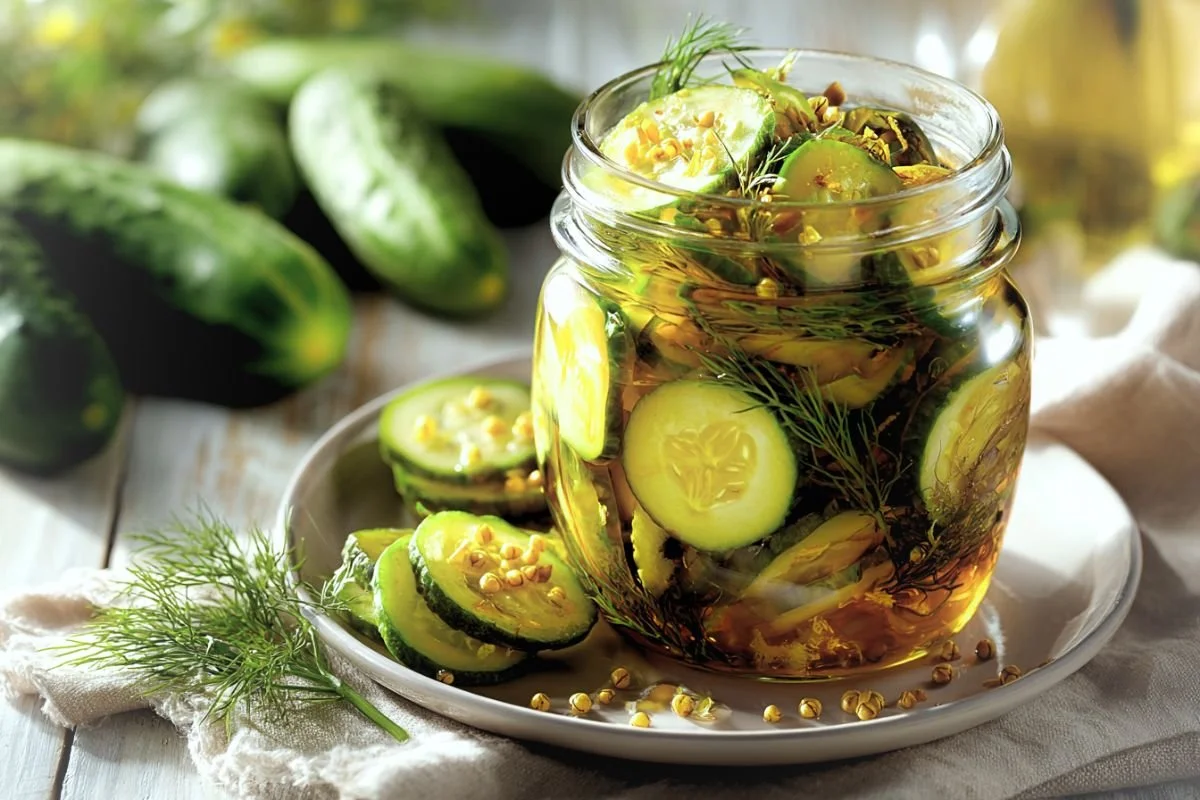
Refrigerator Bread and Butter Pickles | Sweet, snappy, no canning required
If you have ever stared down a produce drawer full of cucumbers and thought I should really learn to can, I want to save you the trip to the hardware store. These refrigerator bread and butter pickles give you the sweet-and-sour, mustard-seed-flecked, golden-brine pickles you actually want to eat, and they skip the entire canning process. You slice, you salt, you pour hot brine over the top, and you put the jar in the fridge. That is the whole recipe. No water bath, no pressure canner, no lids pinging in the dark while you lie awake wondering if you sealed them right.
I make these every single summer, and I have made them wrong enough times to know exactly where people lose the crunch. The first year I tried, I got soggy, sad, olive-drab pickle coins that tasted fine and felt like nothing. The fix turned out to be three things nobody bothers to mention: salting the cucumbers first, trimming the blossom end, and never letting the brine come to a hard rolling boil before it hits the jar. Once I locked those in, I got the snap. Every batch since has been jar-scraping good.
What I love about a refrigerator pickle is that it's forgiving in the ways canning is not. Canning has rules because canning has consequences. Refrigerator pickles just live in the cold, do their thing, and get better around day three. That means you can make a half batch, taste it, and adjust the sugar next time without committing a bushel of cucumbers to a decision you made on a Tuesday.
These are the sweet ones. Bread and butter pickles are the ones on the burger, the ones in the chicken salad, the ones you eat standing at the open refrigerator door with a fork because nobody's watching. If you want the sharp, dilly, garlicky kind, that's a different post. This one is for people who like a little sugar with their vinegar.
This post contains affiliate links. If you buy something through one of them, I may earn a small commission at no extra cost to you. I only link to things I actually use in my own kitchen. Thanks for supporting Saucy Spoon Co.
Jump to:Ingredients · Instructions · Tips · FAQ
Why You'll Love This Recipe
No canning equipment. At all. If you own a jar and a saucepan, you're done. No water bath, no sterilizing, no sealing.
Twenty minutes of actual work. The cucumbers do an hour of salting on their own while you do literally anything else.
They stay crunchy. The salting step and the blossom-end trim are the difference between snappy pickles and limp ones, and I'll show you both.
You control the sweetness. Store-bought bread and butter pickles are usually cloying. This brine is balanced, and you can dial the sugar up or down without breaking anything.
It's the best possible use for a cucumber avalanche. Garden glut, farmers market impulse buy, warehouse-store bag — this recipe absorbs all of it.
They make people ridiculously happy as a gift. I've handed jars of these to neighbors and gotten actual thank-you texts. Nobody texts you about a store-bought pickle.
Personal reason: my girls will not eat a dill pickle to save their lives, but they will eat these straight out of the jar and then ask me when I'm making more. That's the whole review.
Recipe Snapshot
Prep time: 20 minutes | Cook time: 5 minutes | Total time: 25 minutes active
Salting time: 1 hour | Chill time: 24 hours (they're good at 4 hours, great at 24, best at 72)
Servings/yield: 2 pint jars (about 16 servings) | Cost estimate: $6–$8 total, roughly $0.45 per serving
Equipment Needed
A sharp knife or a mandoline for even ¼-inch slices
A large mixing bowl and a colander
A small non-reactive saucepan (stainless or enameled — not bare aluminum or cast iron, the vinegar will react)
Two wide-mouth pint jars with lids, or one quart jar
Helpful Amazon Finds for This Recipe
A handheld mandoline slicer — the single biggest upgrade to this recipe. Even ¼-inch coins pickle at the same rate, which means no mushy thin ones next to under-brined thick ones. Use the guard. I'm serious.
Wide-mouth pint mason jars — wide mouth matters here. You're packing cucumber coins and onion ribbons, and a narrow neck turns that into a wrestling match.
Ball Pickle Crisp granules (calcium chloride) — optional insurance. A scant ⅛ teaspoon per pint firms up the cell walls. Not required if you salt properly, but it's cheap and it works.
Ingredients
1½ pounds pickling cucumbers (Kirby) — about 5 to 6 cups sliced ¼ inch thick
1 medium sweet onion — halved and sliced thin (Vidalia if you have one)
1½ tablespoons kosher salt — for salting the cucumbers, most of this rinses away
1 cup distilled white vinegar — 5% acidity
¾ cup granulated sugar
1½ teaspoons yellow mustard seed
¾ teaspoon celery seed
½ teaspoon ground turmeric — this is where the gold color comes from
¼ teaspoon crushed red pepper flakes — optional, for a low hum of heat
⅛ teaspoon ground allspice — optional, but it's the "what IS that" note
2 cloves garlic, smashed — optional
Ice — about 2 cups, for the salting bowl
How to Make Refrigerator Bread and Butter Pickles
Trim and slice. Wash the cucumbers well. Cut a thin slice off the blossom end of each cucumber and throw it away — that's the end opposite the stem scar. Slice everything into even ¼-inch coins. Slice the onion thin.
Salt them. Toss the cucumber and onion slices with the kosher salt in a large bowl. Bury about 2 cups of ice on top. Let it sit at room temperature for 1 hour. You'll see a surprising amount of water pool in the bottom — that's the point.
Rinse and drain hard. Dump everything into a colander, rinse under cold water, and then drain like you mean it. Press gently with your hands or a clean towel. Wet cucumbers water down your brine and soften your pickles.
Build the brine. In a small non-reactive saucepan, combine the vinegar, sugar, mustard seed, celery seed, turmeric, red pepper flakes, allspice, and garlic. Heat over medium, stirring, just until the sugar fully dissolves and the brine steams and shows the first small bubbles at the edge — about 3 to 5 minutes. Do not let it come to a hard rolling boil.
Pack the jars. Pack the drained cucumbers and onions tightly into two clean pint jars. Really tuck them in; they shrink slightly.
Pour and cool. Pour the hot brine over the cucumbers, making sure everything is fully submerged. Tap the jars on the counter to release air pockets. Let them sit uncovered on the counter until they come down to room temperature, about 30 to 45 minutes.
Lid and chill. Screw on the lids and refrigerate. They're edible at 4 hours, good at 24 hours, and genuinely great at 72 hours once the spices bloom into the brine.
⚠️ Food Safety Note - Please Read This One
These are refrigerator pickles, not canned pickles. They are not shelf-stable, and they must live in the refrigerator from the moment they cool. The lids will not seal, and they aren't supposed to. Do not leave a jar on the counter overnight, and do not try to water-bath can this recipe to make it shelf-stable — the sugar and vinegar ratios here are built for flavor in a cold fridge, not for tested shelf-stable acidity. If you want pantry pickles, use a tested canning recipe from the National Center for Home Food Preservation or a current Ball guide, and follow it exactly. Different job, different rules.
Also: if a jar ever smells off, looks cloudy and foamy, or the brine goes ropey and thick, throw it out. It costs six dollars to make more.
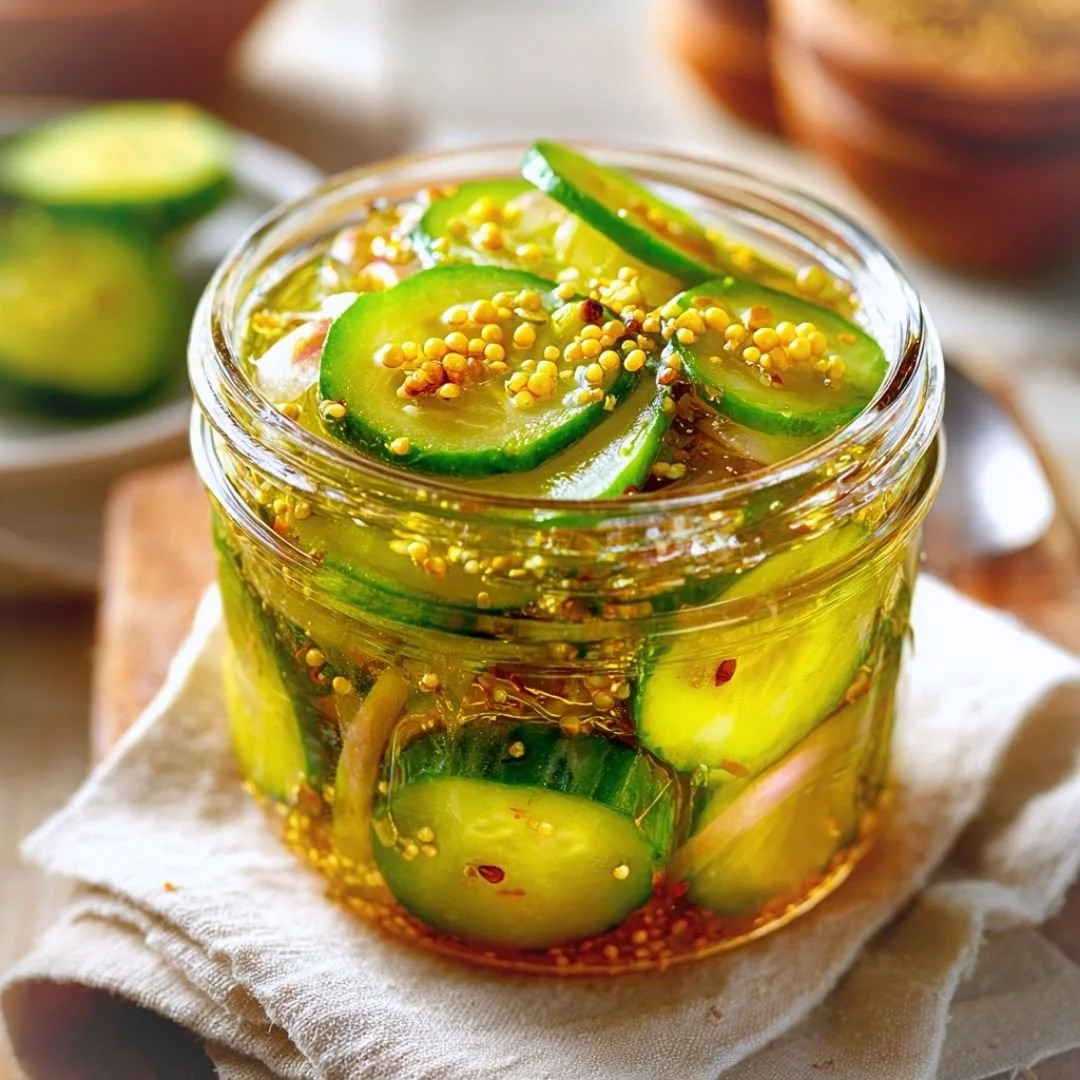
Bread and Butter Pickle Brine | Mustard seed, celery seed, and turmeric
What I Changed After Testing
I've made this recipe more times than I can count, and four things changed between the first batch and the one I make now.
I stopped boiling the brine. My first version called for bringing it to a full boil, and the pickles came out visibly softer. Now I heat it only until the sugar dissolves and the edges bubble. Hot brine still pulls the flavor in; boiling brine partially cooks the cucumbers on contact. The crunch difference is not subtle.
I started trimming the blossom end. Cucumbers carry an enzyme concentrated at the blossom end that actively softens pickles as they sit. Trimming a thin slice off that end is a five-second habit that pays off in week two.
I dropped the sugar from 1 cup to ¾ cup. A one-to-one sugar-to-vinegar ratio is the classic bread and butter formula and it's genuinely too sweet on a burger. Three-quarters of a cup keeps the sweet-and-sour balance and lets the mustard seed come through.
I switched from table salt to kosher salt. Table salt often contains anti-caking agents that cloud the brine. Kosher salt keeps it clear. Purely cosmetic, but you'll notice it in the jar and so will your camera.
I quit skipping the ice. Salting alone draws water out. Salting with ice on top keeps the cucumbers cold and firm while it happens. Same effort, better texture.
Ingredient Notes, Variations, and Easy Swaps
Can I use regular cucumbers instead of pickling cucumbers? Yes, with one adjustment. Regular slicing cucumbers (the long waxed ones) have thicker skin, more water, and bigger seeds. Peel them in stripes, and if the seed core is large and watery, scoop it out with a spoon before slicing. They'll be a little softer than Kirbys but perfectly good. English or Persian cucumbers work well and don't need peeling.
What can I use instead of white vinegar? Apple cider vinegar is the best swap and makes a rounder, slightly fruitier pickle — just make sure it's 5% acidity. Rice vinegar is usually only 4% and makes a softer, milder pickle; if you use it, eat the batch within two weeks. Do not use balsamic or red wine vinegar unless you want brown pickles.
Can I make these without sugar? Not really, and stay with me here — the sugar isn't just sweetness, it's what makes a bread and butter pickle a bread and butter pickle. You can cut it to ½ cup for a tarter version. If you want a true no-sugar pickle, you want a dill refrigerator pickle instead, which is a different brine entirely.
Can I use a sugar substitute? Monk fruit and allulose both work reasonably well here since the brine isn't relying on sugar for preservation. Erythritol can recrystallize in the cold fridge and go gritty — I'd skip it.
I don't have mustard seed or celery seed. Now what? Mustard seed is the one I wouldn't skip; it's the backbone flavor. In a pinch, 1½ teaspoons of whole-grain mustard stirred into the brine gets you most of the way there. Celery seed is more optional — a pinch of celery salt works, but cut the kosher salt slightly if you use it.
What if I don't have turmeric? Your pickles will taste the same and look pale. Turmeric is almost entirely for that signature golden color. Add it if you want the classic look.
Can I add jalapeño? Absolutely, and I do this half the time. Two thinly sliced jalapeños tucked into the jars makes a sweet-heat pickle that's outstanding on a pulled pork sandwich.
Can I use red onion instead of sweet onion? Yes. It'll tint the brine pink, which is either a problem or a feature. Red onion is sharper; sweet onion melts into the brine better.
Can I make these with zucchini? Yes, and it's a great trick if you're drowning in zucchini instead of cucumbers. Use small firm zucchini, slice ¼ inch, and follow the recipe exactly. They soften faster, so eat within three weeks.
Tips for the Best Refrigerator Pickles
Buy the smallest, firmest cucumbers you can find. Big cucumbers mean big seeds and more water. Firm is everything — if it flexes in your hand at the store, it will not crunch in the jar.
Slice evenly. This is the mandoline argument. Uneven slices pickle unevenly, and thin ones go limp while thick ones stay bland.
Pack tightly, then check the level. Everything needs to be under the brine. Any cucumber sitting above the liquid line will discolor and soften. If you're a little short on brine, top with a splash of vinegar rather than water.
Let the jars cool uncovered. Capping a hot jar traps steam, which condenses and dilutes the brine.
Make-ahead: These are designed to be made ahead. Make them Thursday for a Sunday cookout and they'll be at their peak. If you're gifting them, make them at least two days out so the recipient gets them already delicious.
Double the batch, not the pot. The recipe doubles cleanly. Just make sure your saucepan is big enough that the brine isn't at risk of boiling over while you're doing three other things.
Save the brine. When the pickles are gone, the leftover brine is a legitimately great addition to potato salad, coleslaw dressing, or a marinade for chicken thighs.
What to Serve With Bread and Butter Pickles
On a burger or pulled pork sandwich. This is their natural habitat. The sweetness cuts through rich, smoky meat better than a dill ever will.
Chopped into chicken salad or tuna salad. Try them in place of the usual pickle in my Dill Pickle Chicken Salad Wraps for a sweet-and-savory version.
On a cookout spread next to Creamy Cowboy Caviar and Mexican Street Corn Salad.
Alongside grilled mains. They're excellent with Grilled Sirloin Steak with Sweet-Heat Marinade — the sweet-heat and sweet-tang play well together.
On the snack board. Sharp cheddar, salty crackers, and these pickles is an unreasonably good three-item dinner.
Chopped into tartar sauce or a burger sauce. Two tablespoons minced into mayo, ketchup, and a splash of the brine makes a very good copycat-style burger sauce. Related: my Copycat Chick-fil-A Sauce.
Notes
Yield depends on how tightly you pack. Expect two generous pints, occasionally a little extra that goes into a small jar for immediate snacking.
The brine will look slightly cloudy in the first few hours from residual salt and turmeric. That's normal and it settles. Persistent thick cloudiness after several days is not — see the food safety note.
If you're doubling and want variety, split the batch before adding heat: plain in one jar, jalapeño in the other.
Non-reactive cookware matters. Vinegar plus bare aluminum or unseasoned cast iron gives you a metallic taste.
Troubleshooting: Why Your Pickles Went Wrong
They're soft and limp. Almost always one of four things: you skipped the salting step, you boiled the brine, you left the blossom end on, or your cucumbers weren't fresh to begin with. Cucumbers picked more than a few days ago never fully recover their snap.
They taste too sweet. Drop to ½ cup sugar next batch. You can't fix a jar that's already brined, but you can drain and top with a splash of straight vinegar to sharpen it.
They taste flat or bland. Under-brined, usually because the cucumbers were still wet when they went in the jar and diluted everything. Drain harder next time. Also give them the full 72 hours — patience is a flavor.
The brine is cloudy. Table salt with anti-caking agents, or garlic, which naturally clouds brine slightly. Both are harmless. Cloudy plus foamy, bubbling, or bad-smelling is a different story — discard.
The pickles turned dull green or brownish. Some cucumber above the brine line, or too long in the fridge. Keep everything submerged and eat within the window.
The garlic turned blue-green. Harmless. It's a normal reaction between garlic compounds and acid. Ugly, edible, real.
Everything floated to the top. Pack tighter next time. In the meantime, flip the sealed jar upside down once a day to redistribute.
Storage, Shelf Life, and Freezing
Refrigerator: Keep sealed and fully submerged. They're at their crunchiest in the first 4 to 6 weeks and safe up to about 2 months. Always use a clean fork — never fingers, never a used utensil, because that's how you introduce bacteria into a jar you're going to keep for weeks.
Counter: Never. These are not shelf-stable. Cool them, cap them, refrigerate them.
Freezing: Don't. Freezing destroys cucumber cell walls and you'll thaw a jar of mush. (Freezer "bread and butter pickles" are a different recipe built for it — this isn't that one.)
Canning: Don't can this recipe. Use a tested shelf-stable recipe from NCHFP or a current Ball guide instead.
Reheating: Not applicable — these are served cold, straight from the fridge.
Frequently Asked Questions
How long do refrigerator bread and butter pickles last?
They keep in the refrigerator for about 2 months, though I think they're at their absolute best in the first 4 to 6 weeks while the crunch is still sharp. Keep them fully submerged in brine, keep the lid on, and always use a clean utensil. If the brine ever turns thick, ropey, foamy, or smells wrong, throw the jar out.
Do I have to can these?
No — that's the entire point of the recipe. Refrigerator pickles skip canning completely. You pour hot brine over the cucumbers, cool the jars, and refrigerate. The tradeoff is that they aren't shelf-stable, so they live in the fridge instead of the pantry.
How long before I can eat them?
You can eat them after 4 hours, and they're good. At 24 hours they're properly pickled. At 72 hours the mustard seed, celery seed, and turmeric have fully bloomed into the brine and they're at their best. If you can wait three days, wait three days.
What's the difference between bread and butter pickles and dill pickles?
Sugar. Bread and butter pickles use a sweet-and-sour brine with sugar, mustard seed, celery seed, and turmeric, and they're usually cut into coins. Dill pickles use a savory brine built on dill, garlic, and salt with little or no sugar. Same cucumber, completely different personality.
Why are they called bread and butter pickles?
The name traces back to Depression-era home cooks who traded jars of sweet pickles for staples, or served them with buttered bread as a cheap, filling snack. The sweetness made a plain sandwich taste like something.
Can I reuse the brine for a second batch of cucumbers?
You can, but manage your expectations. The second batch will be noticeably milder because the first batch absorbed a lot of the salt, sugar, and acid. If you do it, add a splash of fresh vinegar and a teaspoon of sugar, and eat that batch within two weeks. I'd rather you save the used brine for potato salad and start fresh.
Why did my pickles turn out mushy?
Four usual suspects: you skipped the salt-and-ice step, you boiled the brine instead of just heating it, you left the blossom end on the cucumber, or the cucumbers were already a few days old. Fresh, firm cucumbers plus a gentle brine plus a proper salt is what gets you the snap.
Can I use a jar that isn't a mason jar?
Yes. Any clean glass jar with a tight lid works — a repurposed pickle jar, a swing-top, whatever you have. Just avoid plastic, which can hold onto vinegar smell, and avoid anything with a bare metal lid that will corrode against the brine over weeks.
If You Like This Recipe, Try These
Viral Spicy Cucumber Salad — the other best use for a pile of cucumbers
Dill Pickle Chicken Salad Wraps — for the pickle people
Homemade Pico de Gallo — another fresh, no-cook fridge staple
Copycat Chick-fil-A Sauce — the condiment to make next
Creamy Cowboy Caviar — cookout table companion
Category hub:All Sides & Salads Recipes
Did You Make These?
If you made these pickles, I'd love to hear how they turned out. Leave a comment below and tell me whether you went plain or added jalapeño — and if you tweaked the sugar, tell me where you landed. Every comment helps other home cooks decide whether to make the recipe, and it genuinely helps this little site grow.